
South China Sea Tensions Escalate
A near-collision between naval vessels triggers a diplomatic freeze, raising fears of an accidental conflict in the vital shipping corridor.
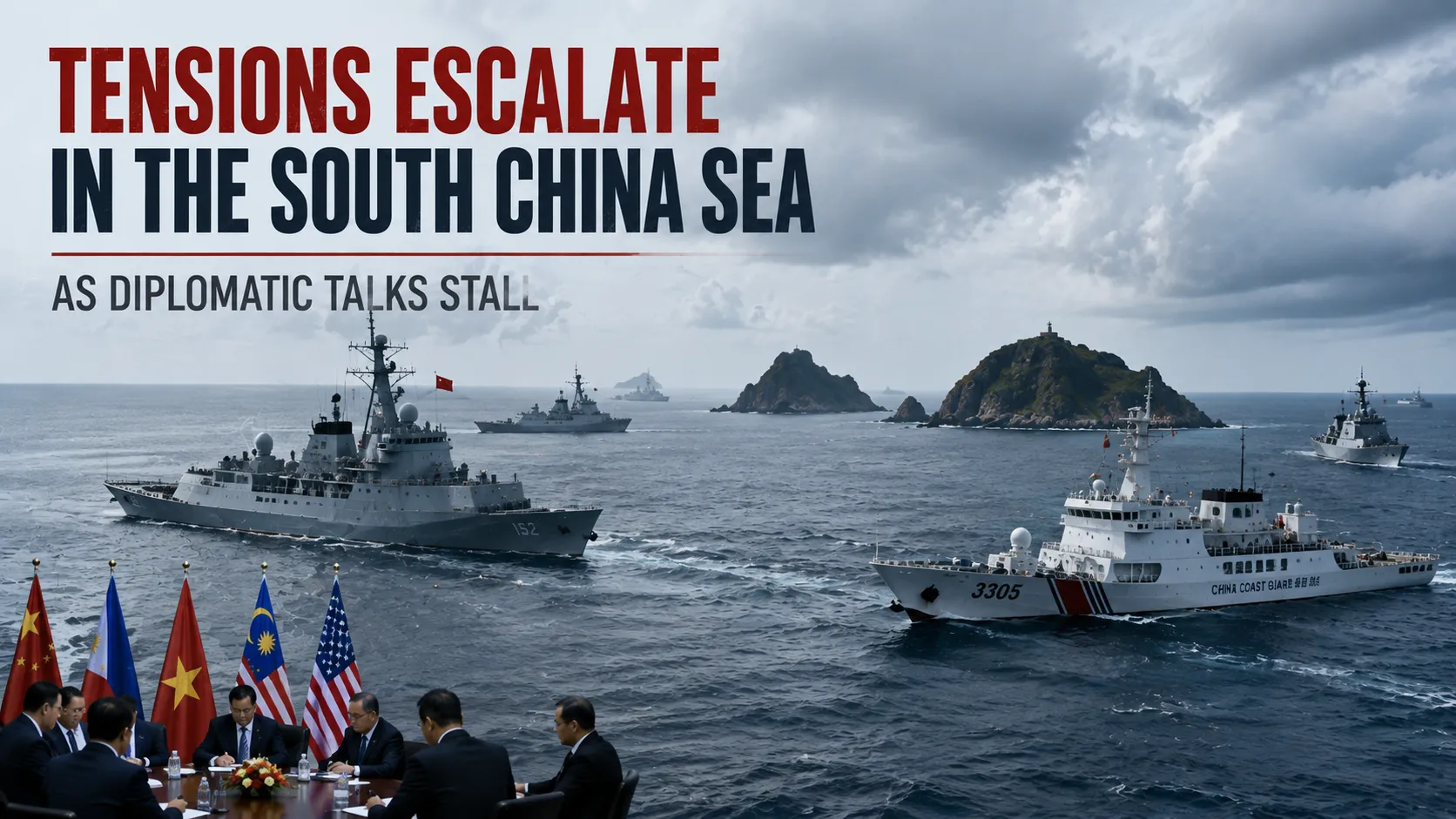
Diplomatic backchannels between Beijing and Manila have completely frozen following a severe maritime confrontation near the Second Thomas Shoal early Tuesday morning. The incident, which resulted in severe structural damage to the smaller resupply boat and minor injuries to four crew members, represents a significant escalation in the ongoing territorial dispute. It is the most violent exchange in the area since early 2023 and fundamentally alters the security calculus in one of the world's most vital maritime chokepoints.
The Diplomatic Fallout and ASEAN Response
The diplomatic fallout was immediate and severe. The defense ministry in the capital summoned the ambassador representing the aggressor nation within hours of the incident, issuing a formally worded *note verbale* condemning the "illegal and aggressive maneuvers." Concurrently, the regional military command announced the indefinite suspension of a previously scheduled joint maritime search-and-rescue exercise.
This is not the first instance of water cannons being deployed in these disputed waters. But the aggression of the intercept and the complete breakdown of the subsequent crisis-communication hotline suggest a structural shift in how Beijing is handling territorial disputes.
For the past year, the Association of Southeast Asian Nations (ASEAN) had been quietly mediating a 'Code of Conduct' to govern naval interactions in the region. "The tactical objective here is not to sink a ship and start a shooting war," explained Dr. Arindam Sen, a maritime security analyst based in Singapore. "The objective is attrition. By constantly harassing resupply lines with non-lethal but highly destructive force, the larger power intends to make the maintenance of these remote outposts logistically and politically unsustainable for smaller nations."
Global Supply Chain Vulnerabilities
The implications extend far beyond regional sovereignty. The South China Sea is a critical artery for global commerce, with an estimated $3.4 trillion in international shipping passing through its waters annually. Any kinetic escalation that threatens the freedom of navigation could instantly disrupt global supply chains, severely impacting energy shipments to East Asia and manufactured goods bound for European markets.
What we are witnessing is the normalization of gray-zone tactics," Dr. Jenkins explained. "China is using coast guard vessels rather than gray-hulled naval warships to assert sovereignty. It is highly aggressive, but it falls just below the threshold that would trigger the US-Philippine Mutual Defense Treaty. They are actively testing exactly how far they can push before Washington feels compelled to intervene militarily.
Washington’s response has been swift but carefully calibrated. The US State Department issued a formal condemnation, reaffirming its "ironclad" commitment to the defense treaty. More tellingly, the US Navy announced a "routine" freedom of navigation operation (FONOP) involving a carrier strike group currently positioned near Okinawa.
However, Beijing immediately dismissed the US response as "hegemonic interference" in bilateral regional affairs. The Chinese Foreign Ministry spokesperson insisted the coast guard acted with "professional restraint" to block an illegal intrusion into Chinese territorial waters.
This diplomatic stalemate leaves commercial shipping conglomerates incredibly nervous. The marine insurance markets in London reacted instantly to the footage, with premiums for cargo vessels transiting the specific disputed corridor spiking by 12% within hours.
A senior logistics executive at a major global shipping firm in Hong Kong noted the severe risks involved. "Nobody wants an intentional war. We are terrified of an accident. When you have ships displacing 10,000 tons playing chicken at close quarters, someone is going to miscalculate a rudder turn. If a ship sinks and sailors die, the political pressure to retaliate will override the diplomatic guardrails."
That is the true danger of the current freeze. During the Cold War, the US and the Soviets developed highly ritualized communication protocols to manage close encounters at sea. Those protocols simply do not exist in the South China Sea today. When the Philippine coast guard attempted to hail their Chinese counterparts during Tuesday’s intercept, the radio calls went entirely unanswered.
Global maritime security currently relies on the individual judgment of ship captains in high-stress, rapidly deteriorating tactical situations to prevent a strategic conflict. Until diplomatic talks resume and clear rules of engagement are established, the global supply chain remains one miscalculated steering maneuver away from a major international crisis.
Abhijit Chowdhury
Staff Reporter
Editorial administrator for Eastern Times.
You May Also Like
China Commissions Fujian, Its Most Advanced Aircraft Carrier
Geneva Climate Summit Pledges $50 Billion for Carbon Capture
EU Passes Landmark Legislation Banning Deepfake Political Ads
US-Iran War: Strikes Pause After 13 Nights as Blockade Holds and Oil Nears $100
Gaza Nuseirat Strike Kills at Least 7 at Funeral
US-Iran War: US Strikes Iran for Seventh Night as Tehran Hits Kuwait, Oil Prices Surge
EU Passes Landmark Legislation Banning Deepfake Political Ads
Next DispatchUS-Iran War: Strikes Pause After 13 Nights as Blockade Holds and Oil Nears $100
Submit a Perspective for editorial consideration at contact.easterntimes@gmail.com. All submissions are moderated for professional credentials and civil exchange.